
The Lifestyle Quadrant is the secret to enjoying your life today while maintaining the integrity of your personal finance system. Most people want the same thing: a life that feels good now and a future that feels secure later. The problem is that lifestyle spending often sits right at the center of that tension, requiring a smart 4-Quadrant System approach to balance both.
The Lifestyle Quadrant solves that problem by giving enjoyment its own structure. It turns lifestyle spending into something intentional instead of emotional. You stop guessing where your money went. You stop feeling guilty for wanting a good life. You start building a lifestyle that fits your priorities, your budget, and the reality of your income.
This Lifestyle Quadrant guide will show you how to design a lifestyle you actually enjoy without sabotaging your savings or your stability. It is not about cutting everything fun. It is about choosing the things that matter and dropping the ones that don’t.
This article is part of the 4-Quadrant System, a framework that organizes money into Essentials, Savings, Lifestyle, and Impulse categories so you can enjoy life without losing financial control.
Table of Contents
1: The Core Lessons Behind Lifestyle Design
A good lifestyle is not built on spending more. It is built on understanding what actually improves your life. These lessons shift the way you think about lifestyle spending so you can enjoy more without paying for noise you do not need.
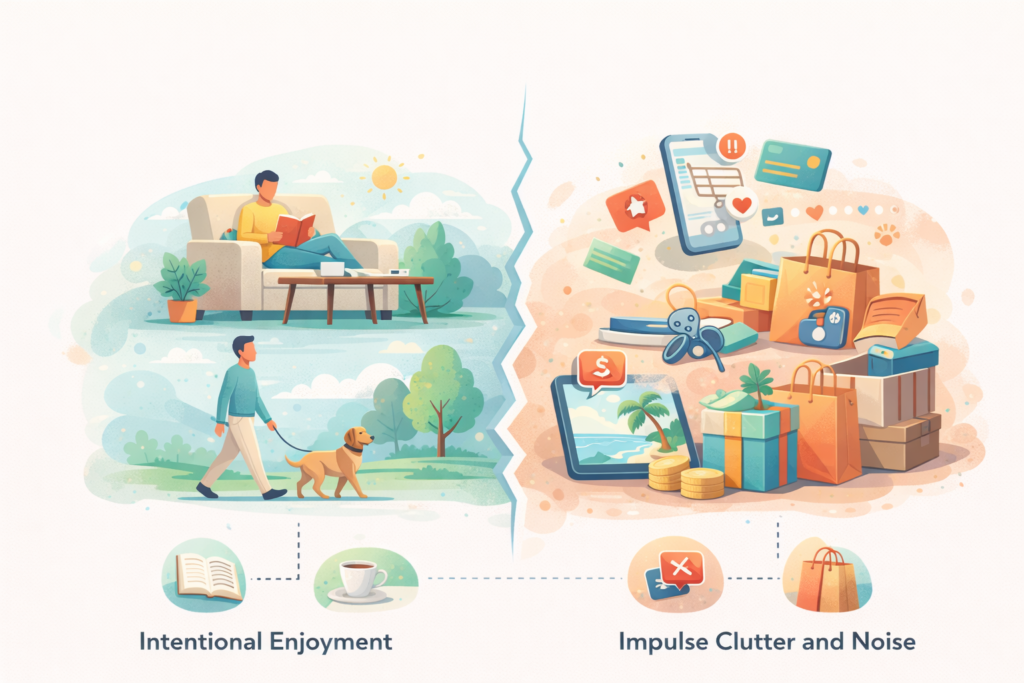
1. Lifestyle spending should add value, not noise.
A good lifestyle is not about constant upgrades. It is about meaningful upgrades. If something does not improve your daily experience, reduce stress, or bring real joy, it is noise. And noise drains both money and energy.
2. Enjoyment works best when it has boundaries.
People enjoy life more when there is a limit, not when everything is unlimited. Boundaries help you choose with intention. They make your pleasures feel earned, not accidental. Structure increases satisfaction.
3. You do not need more money to improve your lifestyle. You need clarity.
Most lifestyle improvements cost less than people think. Clarity helps you see which small changes make the biggest difference. When you know what matters, your money goes further.
4. Small upgrades beat big, expensive changes.
A tidy home beats a brand new home. Quality basics beat impulse splurges. A planned day trip beats a rushed luxury vacation. Small upgrades add steady happiness without the financial hangover.
5. Your lifestyle becomes sustainable when it matches your priorities, not someone else’s highlight reel.
Social media shows you lifestyles built for show, not for your life. When you build around your own values instead of comparison, your lifestyle becomes easier to maintain and far more satisfying.
These lessons lay the foundation for a lifestyle that feels good now and still protects your financial future.
2: How to Build a Lifestyle You Actually Enjoy
A good lifestyle is not about spending more money. It is about spending on the right things. These tips help you shape a daily life that feels richer without costing more.
1. Define what “a good life” means for you, not social media.
Make a simple list of what actually improves your happiness. Focus on your real priorities. Not trends. Not what looks impressive. What feels good to you.
2. Identify high-impact, low-cost upgrades to your daily routine.
A better morning routine, a cleaner space, quality basics, weekly traditions, low-cost hobbies. These upgrades create more joy than expensive purchases that fade fast.
3. Use the Lifestyle Quadrant to separate real joy from impulse cravings.
Planned pleasures belong in Lifestyle. Quick emotional buys belong in Impulse. Separating the two helps you spend with intention and enjoy your choices.
4. Set a weekly lifestyle budget instead of a monthly one.
Weekly limits are easier to follow and harder to blow. They keep your lifestyle spending steady instead of spiking at the beginning or end of the month.
5. Keep a “want list” and revisit it before buying anything.
Most wants fade when you give them time. The ones that stick deserve your money. This simple list saves you from dozens of unnecessary purchases.
6. Automate essentials so you can spend on lifestyle without guilt.
When bills, savings, and necessities are handled automatically, your lifestyle money becomes guilt free. You enjoy more because you know the basics are protected.
7. Redirect unused lifestyle money into savings to stay balanced.
If you do not use all your lifestyle money one week, roll part of it into savings. This keeps the system balanced and helps you build wealth while enjoying life.
Follow these tips and your lifestyle becomes intentional, balanced, and actually enjoyable.
3: Lessons From Overspending and Lifestyle Creep
Lifestyle creep happens quietly. It does not show up in one big purchase. It shows up in small habits that shift your expectations over time. Understanding the psychology behind it helps you stay in control.
1. Comfort becomes expectation faster than you think.
What starts as a treat quickly becomes the new normal. The brain adapts fast, which means yesterday’s luxury becomes today’s baseline. Without awareness, comfort keeps climbing and so does your spending.
2. Small upgrades turn permanent.
A nicer coffee. A better gym. A higher-end version of something you already own. None of these feel big on their own, but they stack. Over time, these tiny upgrades lock in as fixed habits that quietly inflate your lifestyle.
3. Comparison raises your spending without improving your happiness.
Seeing what others buy makes you believe you should want the same. The problem is that comparison increases desire, not satisfaction. You spend more but feel the same. Or worse. This is where many people unknowingly drift into impulse spending. Without clear boundaries, lifestyle choices can quietly slip into the Impulse Quadrant and create guilt instead of enjoyment.
4. Emotional spending disguises itself as lifestyle spending.
Stress shopping, boredom shopping, and “I deserve this” spending often hide inside Lifestyle categories. They feel justified, but they are emotional reactions, not intentional upgrades. This disguise makes overspending easy.
5. Ignoring lifestyle boundaries drains long term goals.
When Lifestyle spending has no guardrails, it steals money from savings, investments, and future plans. Not because you meant to, but because lifestyle creep is silent until it becomes a crisis.
These lessons reveal the forces that shape your spending without you noticing. Once you see them clearly, you can build a lifestyle that feels good now without sacrificing the future you want.
4: Tips for Protecting Your Lifestyle Without Overspending
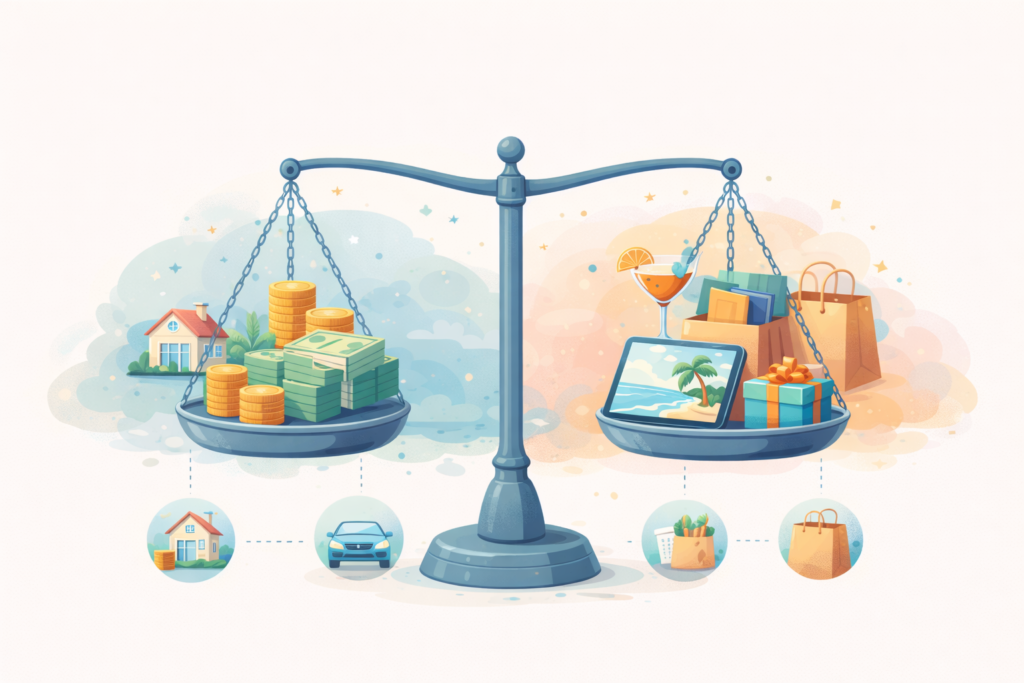
A great lifestyle does not require reckless spending. It just needs smarter choices and simple boundaries. These tips help you enjoy life fully while keeping your finances steady.
1. Create a “joy-per-dollar” rule to evaluate purchases.
Before you buy, ask a simple question: “How much joy will this bring me for the money?” High joy. Low cost. These purchases stay. Low joy. High cost. These need a second thought.
2. Maintain one premium habit, not ten.
Pick one area where you want to splurge. Maybe it is fitness. Maybe it is food. Maybe it is travel. Keep that habit premium and keep everything else reasonable. You get quality without draining your budget.
3. Choose experiences over objects when money is tight.
Experiences give longer lasting satisfaction than most physical items. When your budget is limited, choose memories over stuff. They deliver better value and less clutter.
4. Rotate lifestyle categories each month to keep things fun without overspending.
Focus on dining one month, hobbies the next, self care after that. Rotating categories keeps life exciting and prevents spending from exploding all at once.
5. Use the 24 hour pause rule for all lifestyle purchases.
If the excitement fades after a day, you didn’t actually want it. This rule saves you from dozens of forgettable buys.
6. Track your favorite purchases and drop the forgettable ones.
Write down the lifestyle purchases that brought real joy, and the ones that didn’t. Over time you will see a pattern. Keep the winners. Cut the rest.
7. Focus on sustainability, not perfection.
A balanced lifestyle is built on consistency, not rigid rules. Aim for choices you can maintain month after month. The goal is not to spend perfectly. It is to spend intentionally.
These tips help you protect your lifestyle, enjoy your money, and keep your long term goals safe at the same time.
5: What Life Looks Like With a Healthy Lifestyle Quadrant
When your Lifestyle Quadrant is balanced, your entire relationship with money starts to change. You enjoy more, stress less, and make choices that feel good now and later. Here is what life looks like when your lifestyle finally lines up with your values.
1. You enjoy life more because your spending is intentional.
You choose your pleasures instead of stumbling into them. Every lifestyle purchase has purpose. That clarity turns simple habits into real enjoyment.
2. Guilt fades because lifestyle spending has structure.
You are no longer guessing whether you “should” spend. You know exactly how much space you have each week. Boundaries remove guilt and make enjoyment cleaner.
3. You stop confusing impulse wants with lifestyle wants.
Your Lifestyle Quadrant holds the things that matter. The Impulse Quadrant catches the quick cravings. That separation keeps your spending honest and your priorities clear.
4. You get more value from the same income.
When your lifestyle is designed around impact instead of noise, your money stretches further. You feel richer not because you earn more, but because you use what you have better.
5. Your savings stay protected because lifestyle upgrades stay balanced.
You enjoy your life without draining your future. Lifestyle choices stop competing with your financial goals because the system keeps both in harmony.
A healthy Lifestyle Quadrant gives you something rare: a life that feels good now and a financial plan that supports your long term freedom. It is balance you can actually sustain.
Conclusion
A good lifestyle does not come from overspending. It comes from intention. When you design your lifestyle with clarity, boundaries, and purpose, you enjoy more of what matters and waste less on what doesn’t. The Lifestyle Quadrant gives you the structure to balance joy with responsibility so you get the best of both worlds. You feel in control, your money works for you, and your daily life feels richer without costing more.
If you want that kind of freedom, start today. Define your “good life” list. Write down the experiences, habits, and joys that matter most. Then place them inside your Lifestyle Quadrant. Once you do, you will have a clear map for living well without losing your financial footing.
Next Step
Once your lifestyle spending feels intentional, explore how it fits into long-term security inside the Savings Quadrant.